

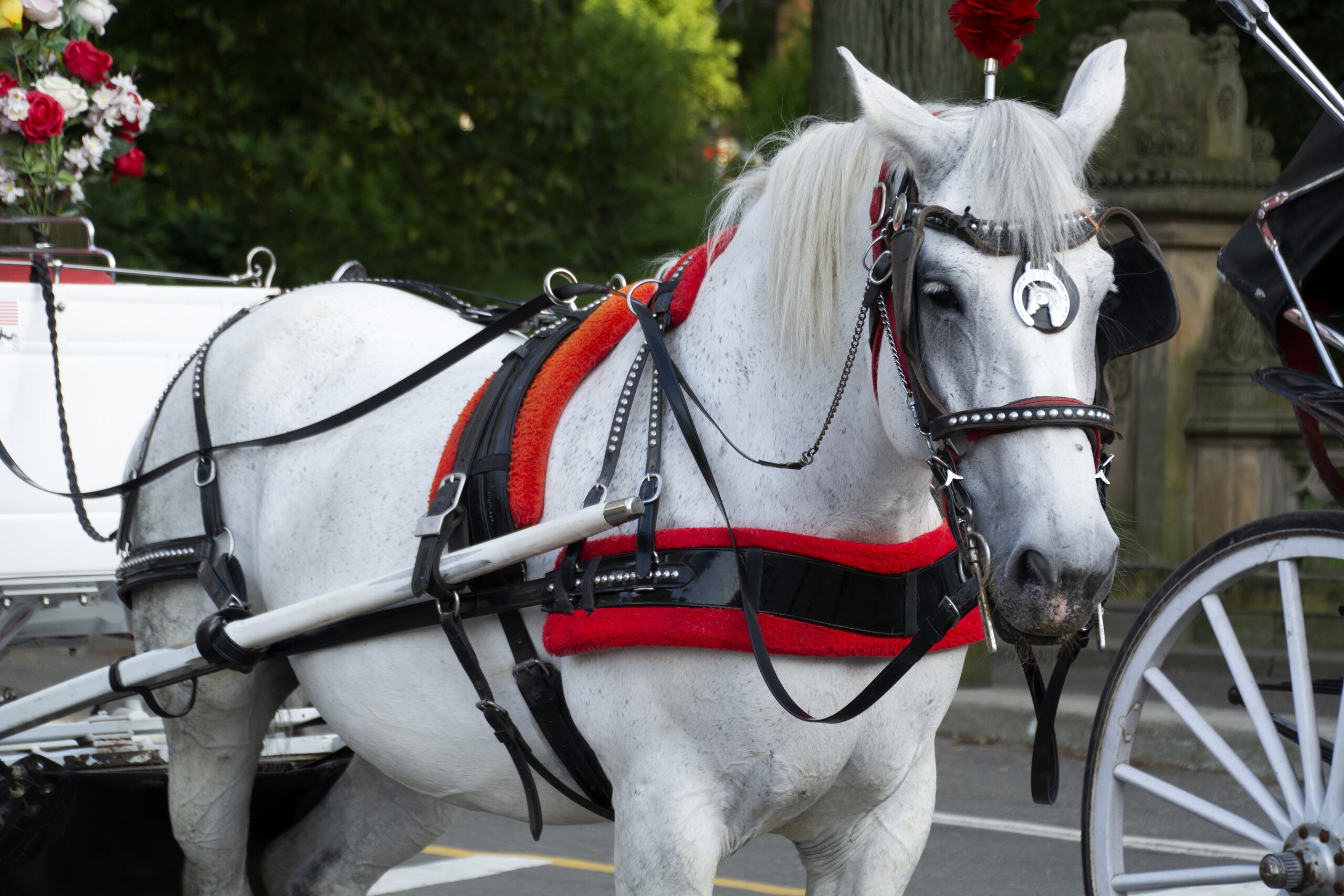
New York City, New York – Romanch’s Law passes City Council with strong support, but a threatened lawsuit could complicate the transition. Animal-welfare groups are preparing to help horses find retirement homes.
New York City is moving toward ending its iconic horse-drawn carriage industry after the City Council voted overwhelmingly on October 22, 2026, to pass Romanch’s Law, which would phase out horse-drawn carriages by June 1, 2028.
The measure passed 40–7, with two abstentions. As of October 26, the bill was awaiting Mayor Zohran Mamdani’s signature. His office has said he intends to sign it.
The legislation, previously known as Ryder’s Law, was renamed in honor of 18-year-old Romanch Mahajan, who died following a carriage accident in Central Park in June. The renewed push to end the industry also followed the death of a carriage horse named Deniz that same month.
Legal Challenges Expected
Although the Council vote represents a significant step toward ending the industry, the outcome could face legal challenges. The Transport Workers Union, which represents carriage drivers, has threatened to sue, arguing that the ban would unfairly deprive owners of their livelihoods and the value of their businesses and licenses.
The union has indicated it may seek a court order temporarily blocking implementation. A lawsuit would not automatically stop the law from taking effect; a judge would need to grant such relief.
The city’s stated position is that the law is legally defensible. The planned phaseout remains June 1, 2028, unless legal action or other developments change the timeline.
Where Will the Horses Go?
Approximately 160 carriage horses are affected by the proposed phaseout. The legislation calls for the city to help identify humane placement options for horses whose owners need assistance. It also establishes restrictions intended to prevent horses from being transferred for slaughter or other prohibited purposes.
The ASPCA has offered to help owners find appropriate homes through its equine-rescue network and has discussed potential financial assistance. Other rescue organizations and sanctuaries have also expressed willingness to help. Some horses may go to retirement farms or private adopters, while others may remain with their current owners.
The law does not assign each horse to a specific sanctuary, so individual placements and long-term arrangements remain to be determined.
What Happens Next?
The city’s workforce transition plan is due by April 1, 2027. Owners must also certify by June 1, 2027, that they will not transfer their horses for prohibited purposes. Carriage operations are scheduled to end on June 1, 2028.
For now, the next major milestones are the mayor’s signature, any court challenges and the development of the horse-placement plan.
The Council’s vote marks a major turning point for New York City’s carriage-horse industry. Whether the ban proceeds on schedule, and how successfully the horses transition to life beyond the carriages, will become clearer over the coming months.
Support National Animal News — shop official merchandise to help fund
independent investigations and reporting.