
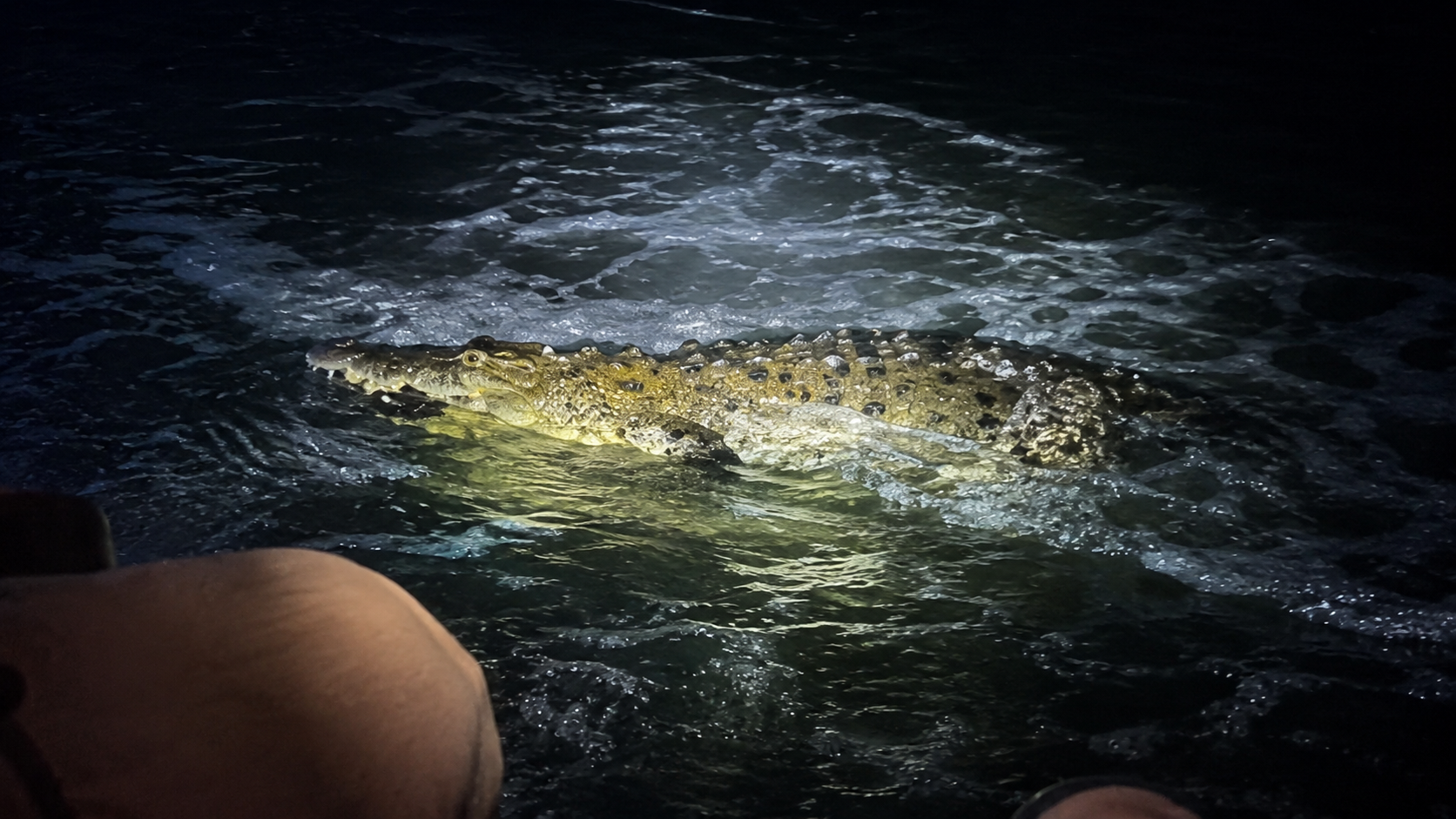
Marina Vallarta Beach, Mexico – Days ago, a 28-year-old man lost his life at a popular beach near Puerto Vallarta. According to reports, the man was swimming in the ocean near the Marriott Puerto Vallarta Resort & Spa when he was attacked by a crocodile.
A California couple was sitting at the resort pool on Friday evening when they heard the man’s screams for help. Jamie Yetter tells the New York Post:
“We thought we saw a guy stuck in a rip current, so Chris took off down to the water, and I ran right after him.”
Her fiancé, Chris Bury, jumped in a kayak and entered the water in an attempt to save the man. With no means to drive the crocodile away, the man was pulled under and killed in the attack. His body was found the next day, further out at sea.
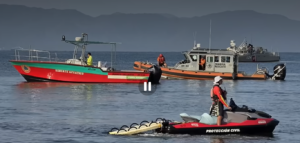
The couple is stunned that there weren’t better efforts by the resort staff to warn guests about the dangers of crocodiles. The next morning, there were no notices posted about the deadly attack and people were in the water as if nothing had happened.
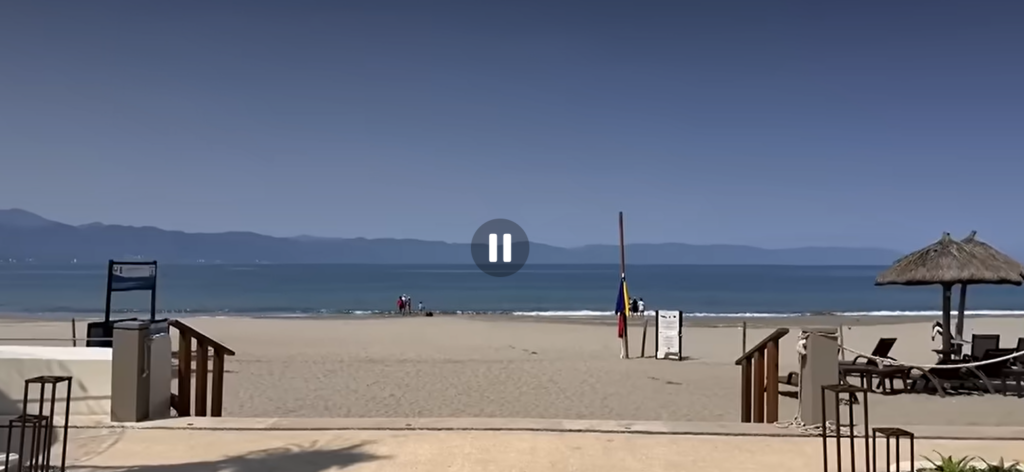
Yetter said, “They didn’t tell us we shouldn’t go swimming. Even the next morning, I went down to the ocean. I assumed the beach would be closed. The beach wasn’t closed. There were no no-swimming signs.”
Saltwater crocodiles are found throughout the Indo-Pacific region, from eastern India and Southeast Asia to northern Australia and Papua New Guinea. They are the world’s largest living reptiles and are considered the most dangerous crocodilian to humans because of their size, power, and willingness to prey on large animals, including people.
The crocodiles found around Puerto Vallarta are not saltwater crocodiles. They are actually American crocodile, a different species that inhabits rivers, estuaries, lagoons, mangrove swamps, and coastal areas along Mexico’s Pacific coast. While attacks on humans are uncommon, American crocodiles are capable of causing fatal injuries, especially if people swim or wade near their habitat.
Resort areas around Puerto Vallarta where crocodiles are known to occur include the estuaries and mangrove systems near Marina Vallarta, Nuevo Vallarta (now part of Nuevo Nayarit), and wetlands around the Ameca River. Crocodiles are most often encountered where freshwater meets the ocean, so visitors should always obey posted warning signs and avoid swimming in lagoons, river mouths, mangroves, or estuaries—particularly at dawn, dusk, and after heavy rains, when crocodiles may be more active or move into new areas.
Support National Animal News — shop official merchandise to help fund
independent investigations and reporting.